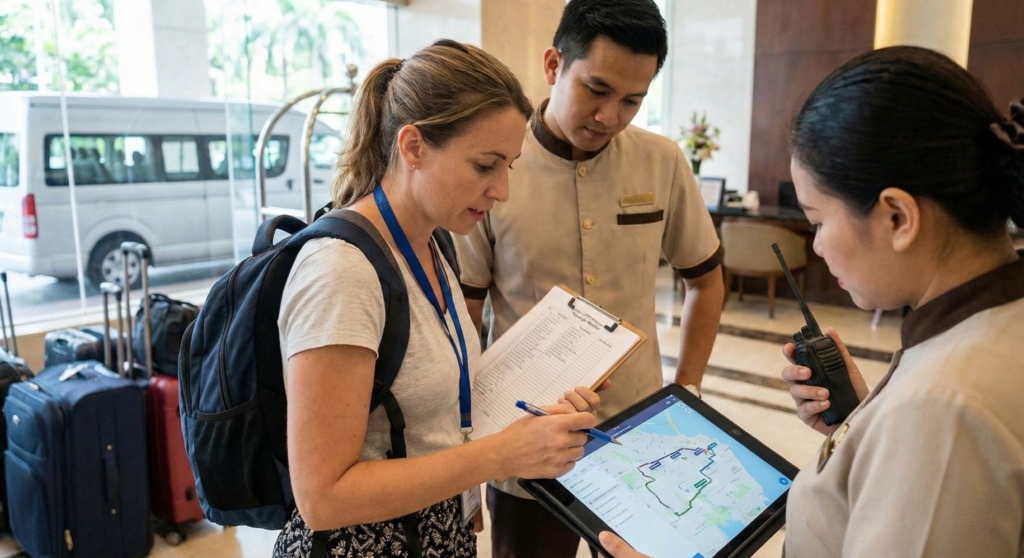
As group travel planning moves toward 2026, many tour operators are not changing where they operate, but how they think about route design. Internal planning conversations are shifting away from destination lists and promotional highlights and toward structure, flow, and delivery logic. Rather than asking which places should be included, planners are increasingly focused on how a journey connects from start to finish, how it feels day by day, and how reliably it can be executed across different markets and group profiles. This shift reflects a more mature approach to group travel, where long-term usability and operational stability matter as much as creativity or market appeal.
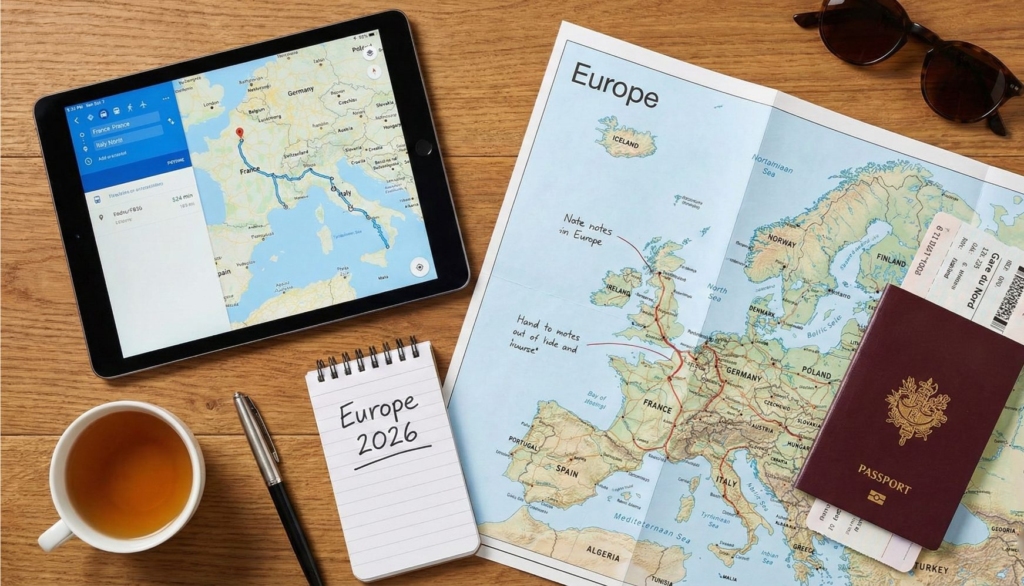
Route design is increasingly treated as a planning discipline rather than a creative exercise. Experienced operators are moving away from assembling itineraries based on individual attractions and instead are building routes around geography, sequencing, and logical transitions. The emphasis is on natural movement between locations, realistic travel distances, and routes that feel intuitive to the traveler even if the reasoning behind them is never consciously noticed. When a route is built on strong geographic logic, it becomes easier to operate, easier to adjust, and more resilient when small changes are required. This approach also reduces pressure on both the group and the operational teams responsible for delivery.

Pacing is also being designed much earlier in the planning process. Instead of correcting overloaded itineraries after challenges appear, operators are now building daily structure, travel time, and energy balance into routes from the beginning. This means fewer rushed days, more realistic schedules, and better alignment with how groups actually experience travel. For ad-hoc groups in particular, where expectations, age ranges, and travel motivation can vary widely, well-designed pacing helps maintain comfort and engagement throughout the program. Thoughtful pacing improves satisfaction while also making routes easier to deliver consistently on the ground.

The most significant shift is that routes are now being designed with delivery in mind from the very start. Instead of asking whether a program can be sold, planners are increasingly asking whether it can be executed smoothly, repeatedly, and with minimal friction. This requires early consideration of logistics, coordination, timing, and on-ground communication. Routes built with delivery in mind tend to require fewer last-minute adjustments, create less operational stress, and allow partners to work with greater confidence. For group travel in 2026, clear structure, flexible frameworks, and logistics-first thinking are becoming the foundation of reliable, long-term programs.